LEARNING
TO SEE

Visual literacy, perception, and the discipline of attention

January 2026 · Blog #1 · Journal Reflection

01. Reflection

Reading the article "Learning to See" felt less like a tutorial on design and more like a debugging session for my own perceptual filters. As someone who operates in the intersection of nature content creation and back-end development I often view the world through a lens of systems and logic. The article argues that visual literacy isn’t an innate talent bestowed upon the artistic few but a "discipline of attention." This resonates deeply with my work on the Media Generation Apps interface and my studies in Digital Multimedia Design. In programming if you miss a syntax error the code breaks. In visual design if you miss a disruption in hierarchy or grid logic the immersion breaks.

One quote specifically stuck out to me: "Seeing becomes an act of detecting friction." This perfectly articulates the frustration I often feel when browsing modern web interfaces or trying to construct a cohesive AI video prompt. It’s rarely the color palette that offends. It’s the structural inconsistencies. The article suggests that what we perceive as "bad design" is often just a cognitive stumbling block. A moment where the brain has to stop interpreting the content to figure out the container.

We do not see the interface. We see the logic behind it. When the logic fails the interface becomes visible.

I found myself disagreeing slightly with the article's dismissal of personal taste as a starting point. While structure is paramount my experience in building community-driven tools has taught me that "vibe" or aesthetic intuition often precedes function in drawing a user in. However the article corrects this potential pitfall by noting that high-fidelity visuals often distract from weak logic. This creates a dangerous trap for designers. Making something look "cool" like using excessive motion blur or glitch effects in a video generation model to mask the fact that the underlying physics or navigation flow is broken.

// THE REVIEW PROCESS

This phase was not about collecting inspiration or assembling a mood board. It was a process of revisiting and re-evaluating my own previously developed visual assets. By looking back at work I had already produced patterns surfaced without being forced. The exercise became one of recognition rather than acquisition.

Examining these assets in sequence revealed consistent structural decisions across interfaces layouts and motion concepts. High contrast environments restrained color usage modular grid systems and typography-first hierarchy appeared repeatedly. These were not stylistic experiments chosen in isolation but recurring solutions to clarity scale and control.

Because the material was self-generated the analysis exposed intent more clearly than external references could. The focus shifted from what looked appealing to why certain systems continued to hold together over time. This review reframed my work as a cohesive visual language rather than a set of disconnected projects.


02. Inspiration

Inspiration Site 1: Linear

Linear.app

DARK_MODE

The gold standard for "magical" interaction details and subtle glows.

Inspiration Site 2: Family.co

Family.co

TYPOGRAPHY

Excellent use of massive serif fonts against stark digital layouts.

Inspiration Site 3: Wise Design

Wise Design

SYSTEM

A masterclass in documenting visual logic and tokenization.

Inspiration Site 4: Diagram

figma.com/ai

AI_INTEGRATION

The "Magician" interface uses glassmorphism to imply a futuristic AI-driven layer.

Inspiration Site 5: Rive

Rive.app

MOTION

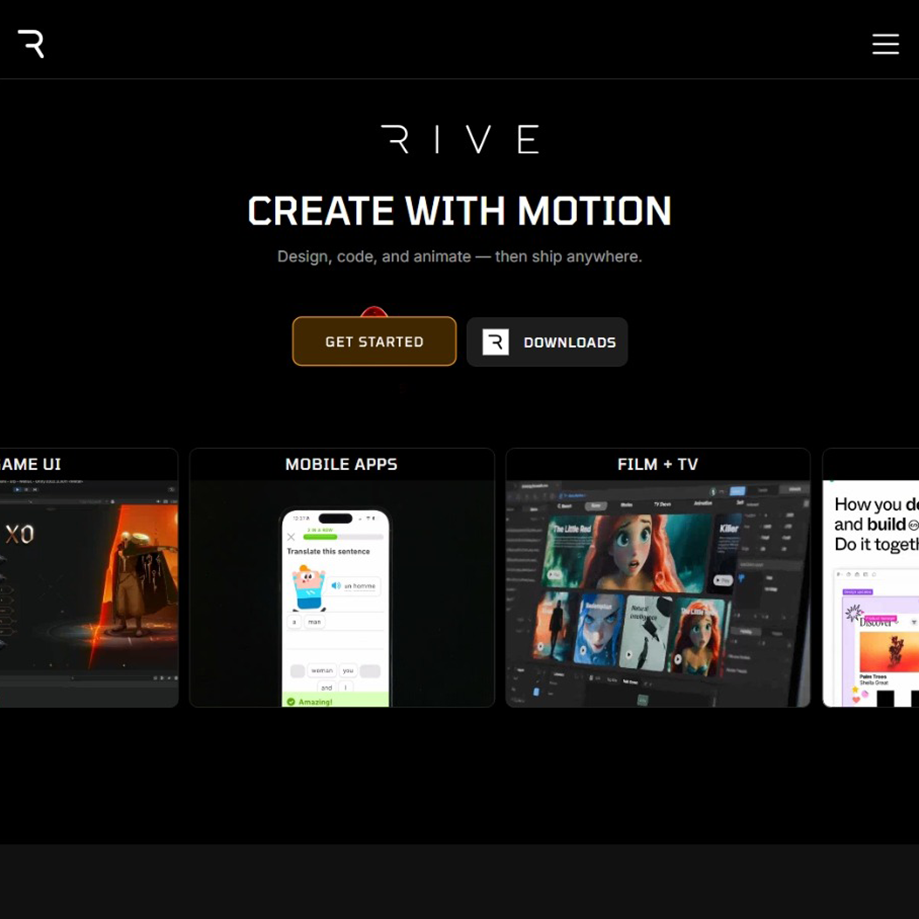
Demonstrates "Motion Logic" directly in the DOM. Interactive vectors that react to velocity.

03. Analysis

For the in-depth analysis I selected the video The Last Supper embedded below as my primary artifact. This piece is a prime example of successful functional beauty because it doesn't just display information it demonstrates the tool's capability through motion. It operates on what I call "Motion Logic" which is the visual syntax of motion scale and continuity.

Visually the video adheres to the "Cinematic" dark mode aesthetic I strive for in my own projects. The lighting is moody leveraging heavy chiaroscuro to guide the eye. The texture is clean almost sterile evoking a sense of precision engineering. The formal quality of line is used extensively here not as static dividers but as motion paths for the subjects.

Motion logic is the primary signifier of quality in this generation.

Functionally the video employs what I describe as "Environmental Anchors." As the camera dollies through the scene the background geometry remains static and rigid providing a safety rail while the characters move fluidly. The piece successfully balances the "wow" factor of complex 3D rigid-body physics simulations like the smoke and reflections with legible high-contrast character acting. It proves the article's point: the aesthetic beauty or the cool animations serves the function which is proving the prompt engineering works. There is no "isolation error" here. Every element feels physically grounded in the same digital reality.

// CONCLUSION

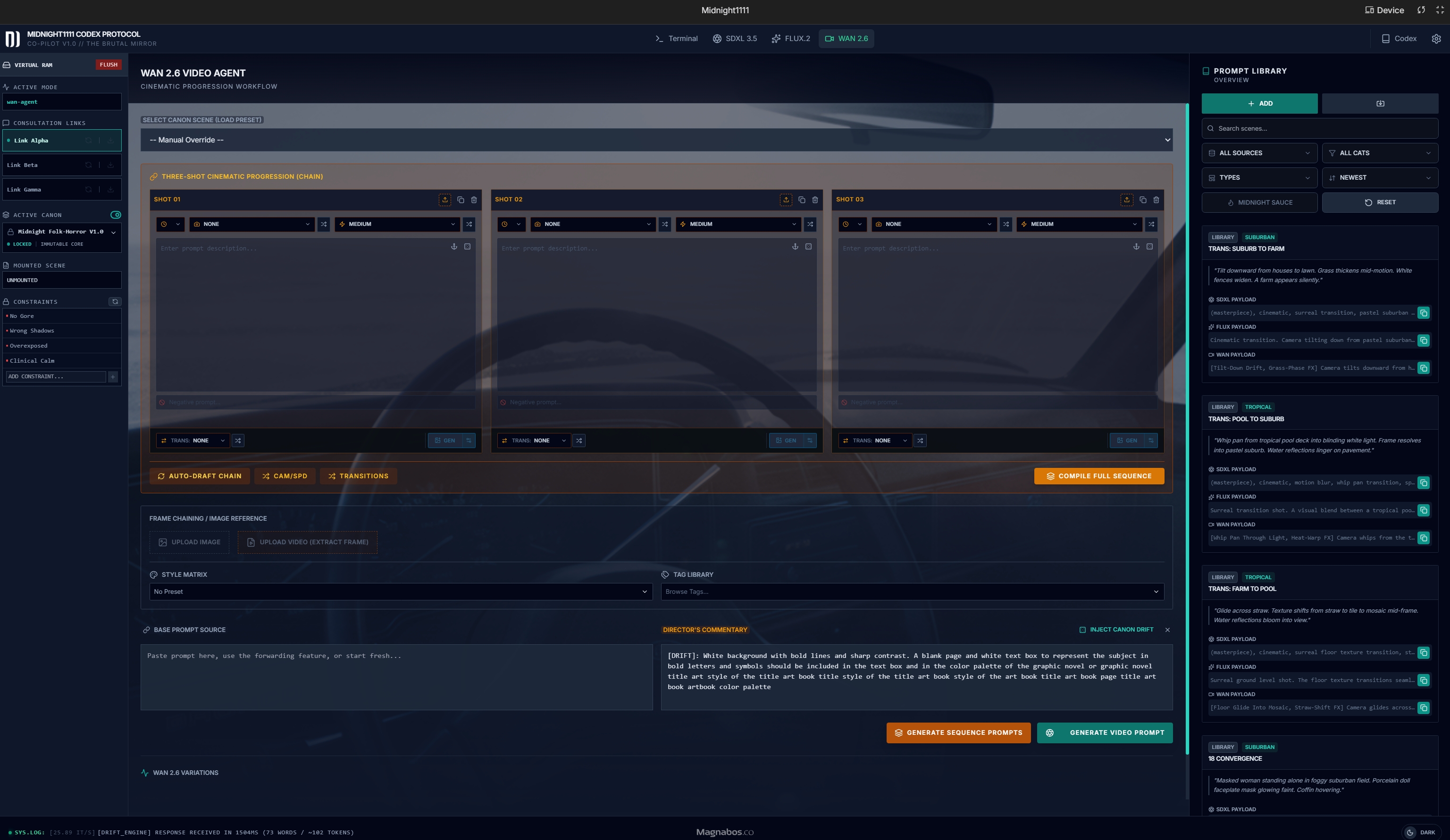
Designing the Midnight Codex Protocol my proposed interface for a multi-model generative AI cockpit is where these lessons must land. The article’s distinction between 'aesthetic intuition' and 'structural logic' is the exact tension I face. I want the UI to feel like a high-performance terminal with monospaced fonts and heavy borders in dark mode but as Learning to See warns high-fidelity visuals can mask weak logic.

Midnight Codex Protocol Interface

Figure 1: The "Prompt Architect" view organizing complex generative parameters into a strict Bento-grid layout to reduce cognitive load.

My goal is to ensure the "Prompt Architect" and "Drift Engine" panels seen above aren't just styling exercises but functional containers that reduce cognitive load. The Bento-grid layout seen in my mockups isn't just a trend. It's a necessity for organizing complex LLM parameters and render settings without overwhelming the user. We must build tools that don't just look like the future but actually enable it.

MOTION
LOGIC

The visual syntax of motion, scale, and continuity in AI video generation.

Built to prevent isolation errors, spatial collapse, and fake physics.

01. Core Syntax

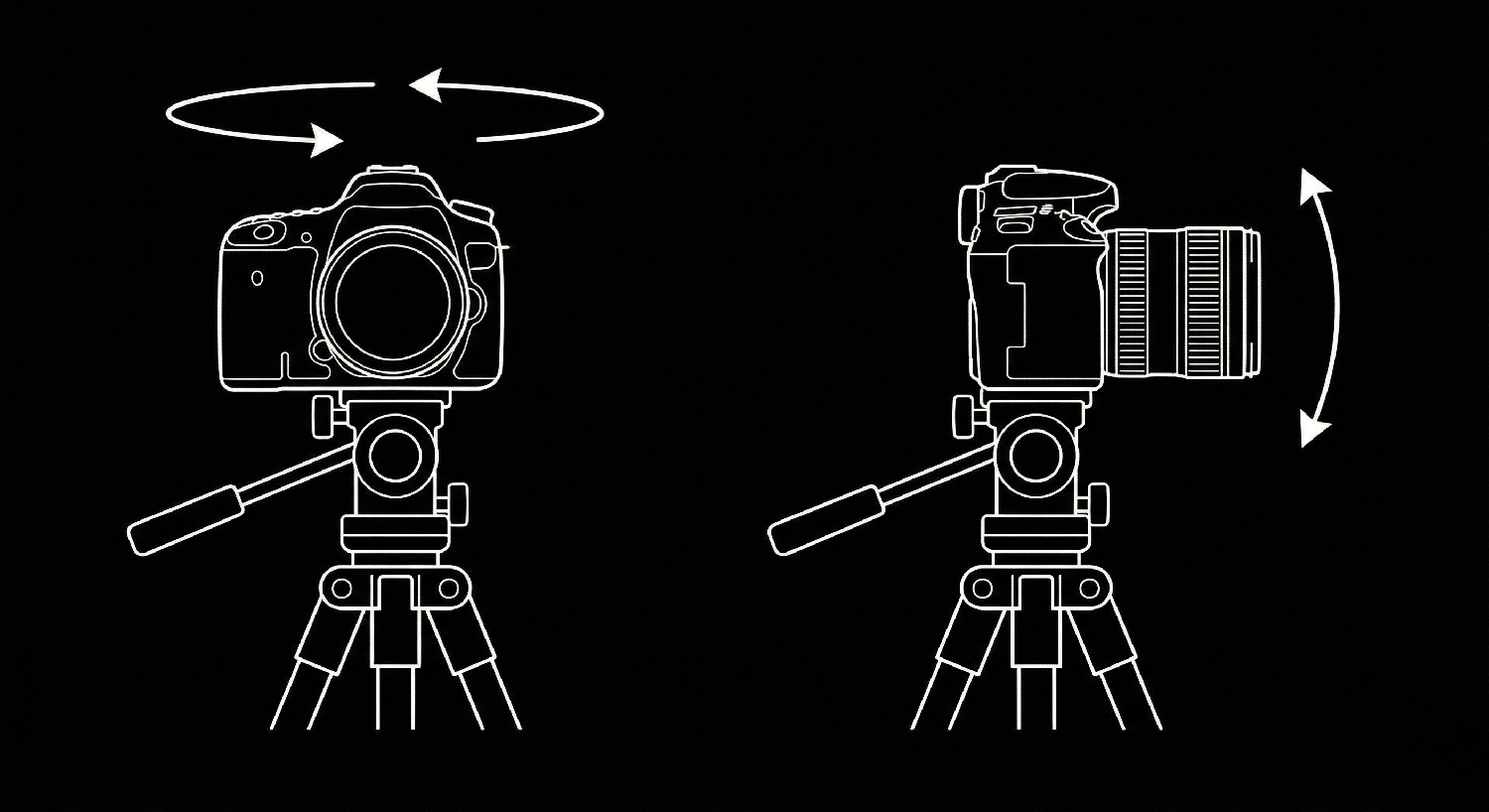
Pan and Tilt Diagram

Pan & Tilt (Static Axis)

Camera rotates on a tripod. No physical translation.


PAN Horizontal Scan
TILT Vertical Reveal
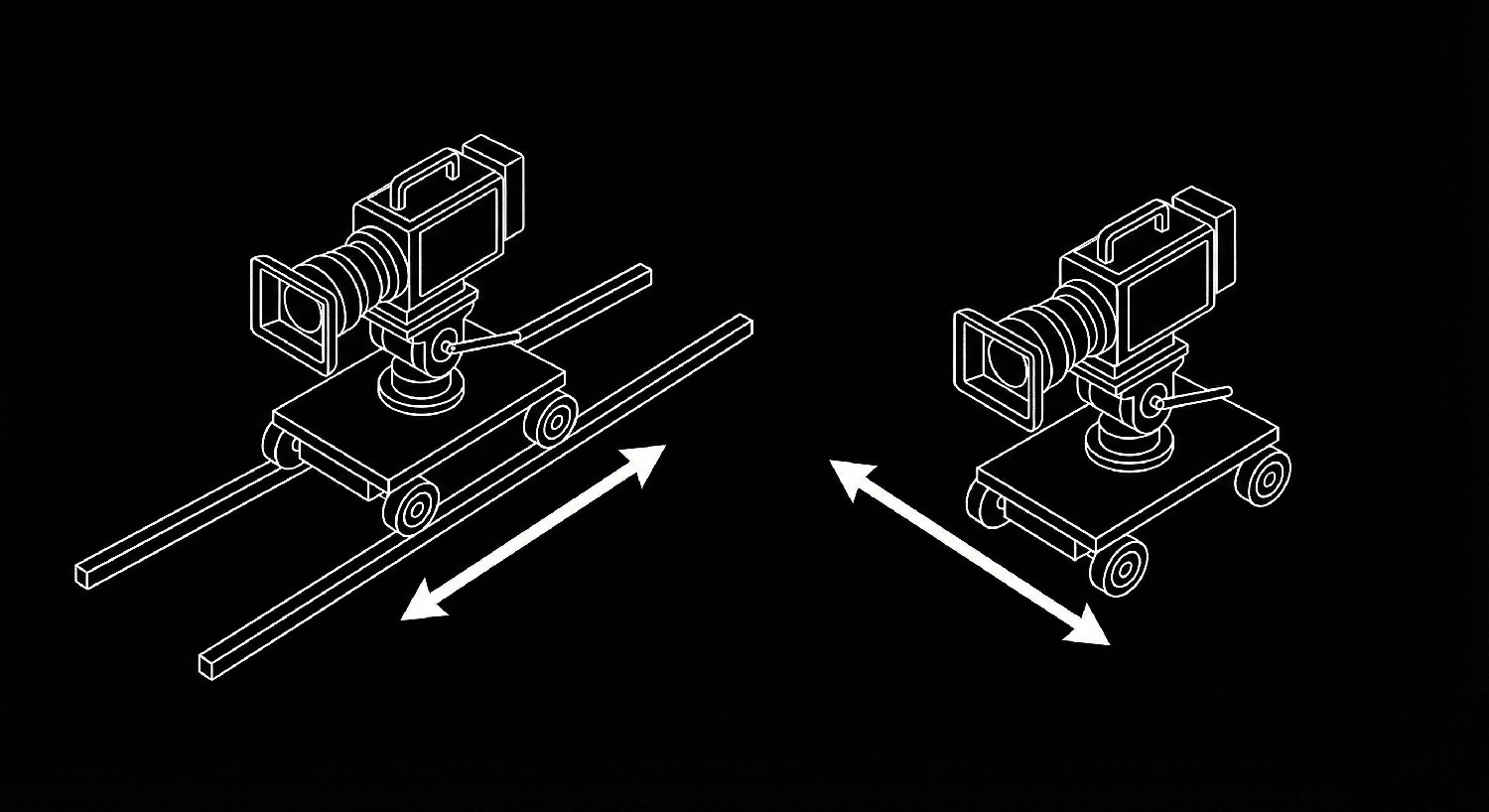
Dolly and Truck Diagram

Dolly & Truck (Physical)

Camera moves through space. Parallax engaged.


DOLLY In / Out (Depth)
TRUCK Left / Right (Lateral)

02. Vehicular & Structural

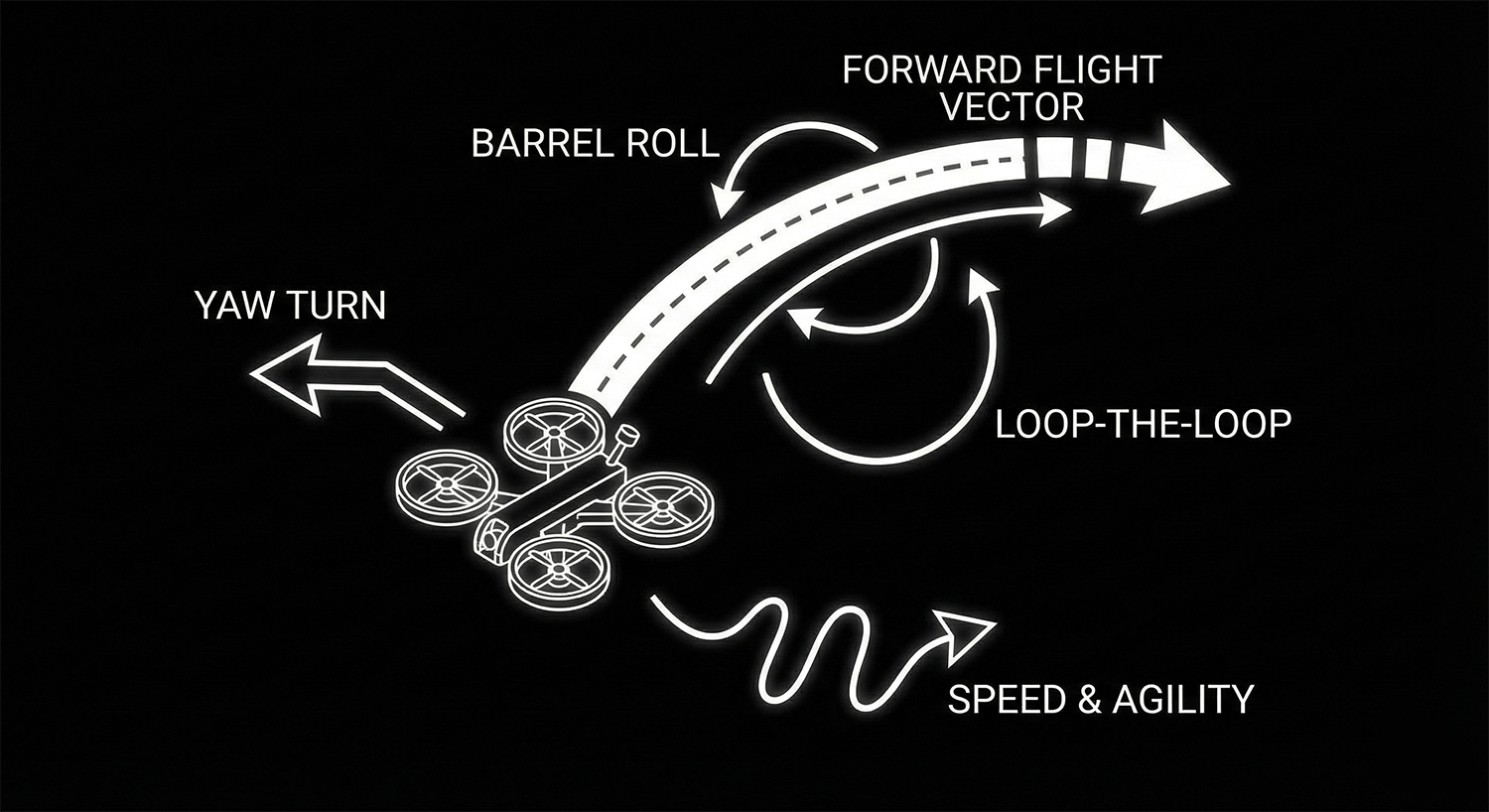
FPV Diagram

FPV Flow

AERIAL

High speed banking and rolling. Simulates flight physics.


FIRST PERSON VIEW Aggressive movement relative to landscape/geometry.
$ FPV drone dives vertically down glass skyscraper
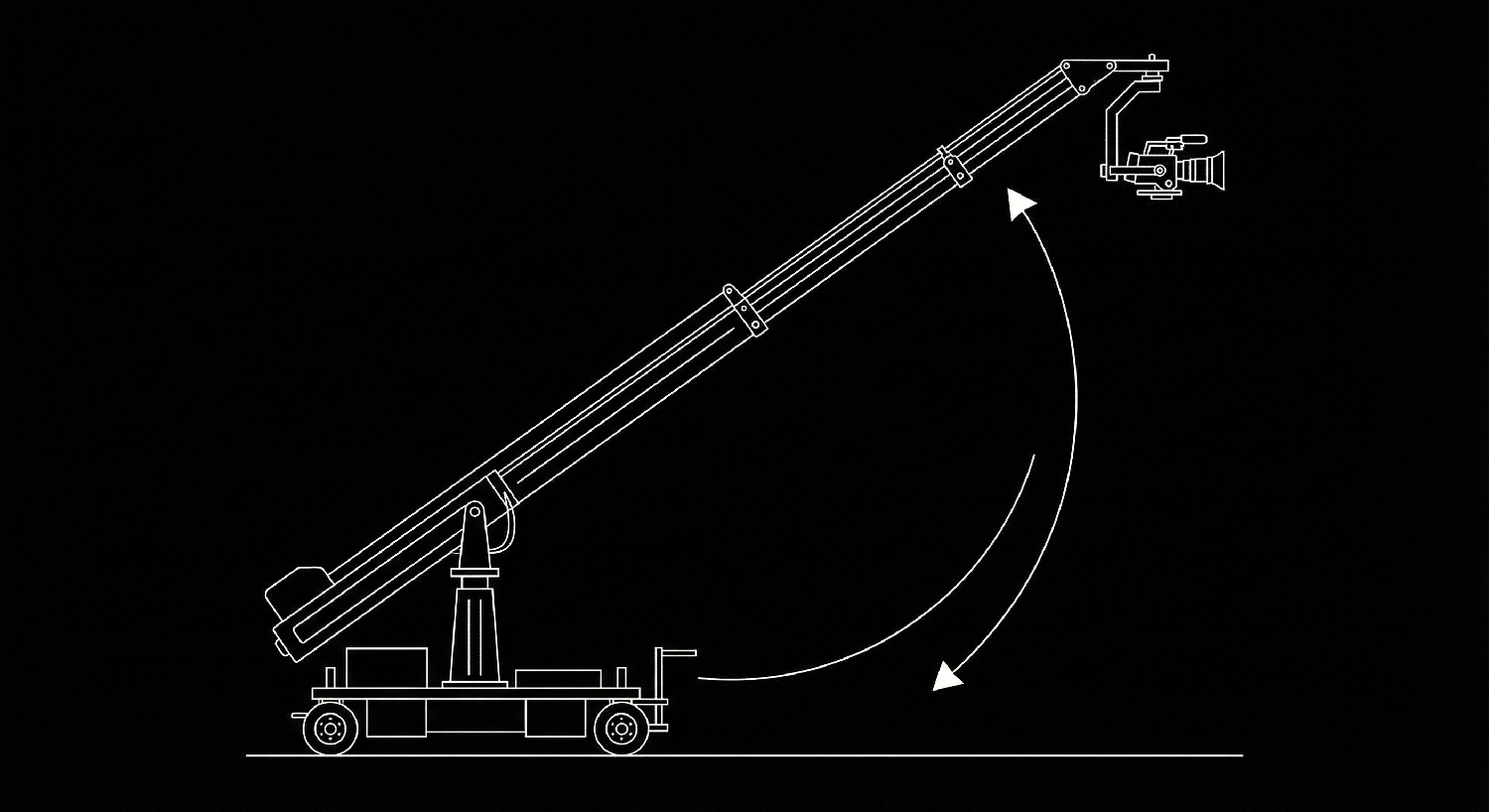
Crane Diagram

Structural Orbit

CRANE

Camera moves relative to massive rigid structures.


MASSIVE SCALE Orbiting buildings or cliffs while maintaining volume.
$ Wide crane shot rising up the side of a brutalist structure

03. Figure & Action

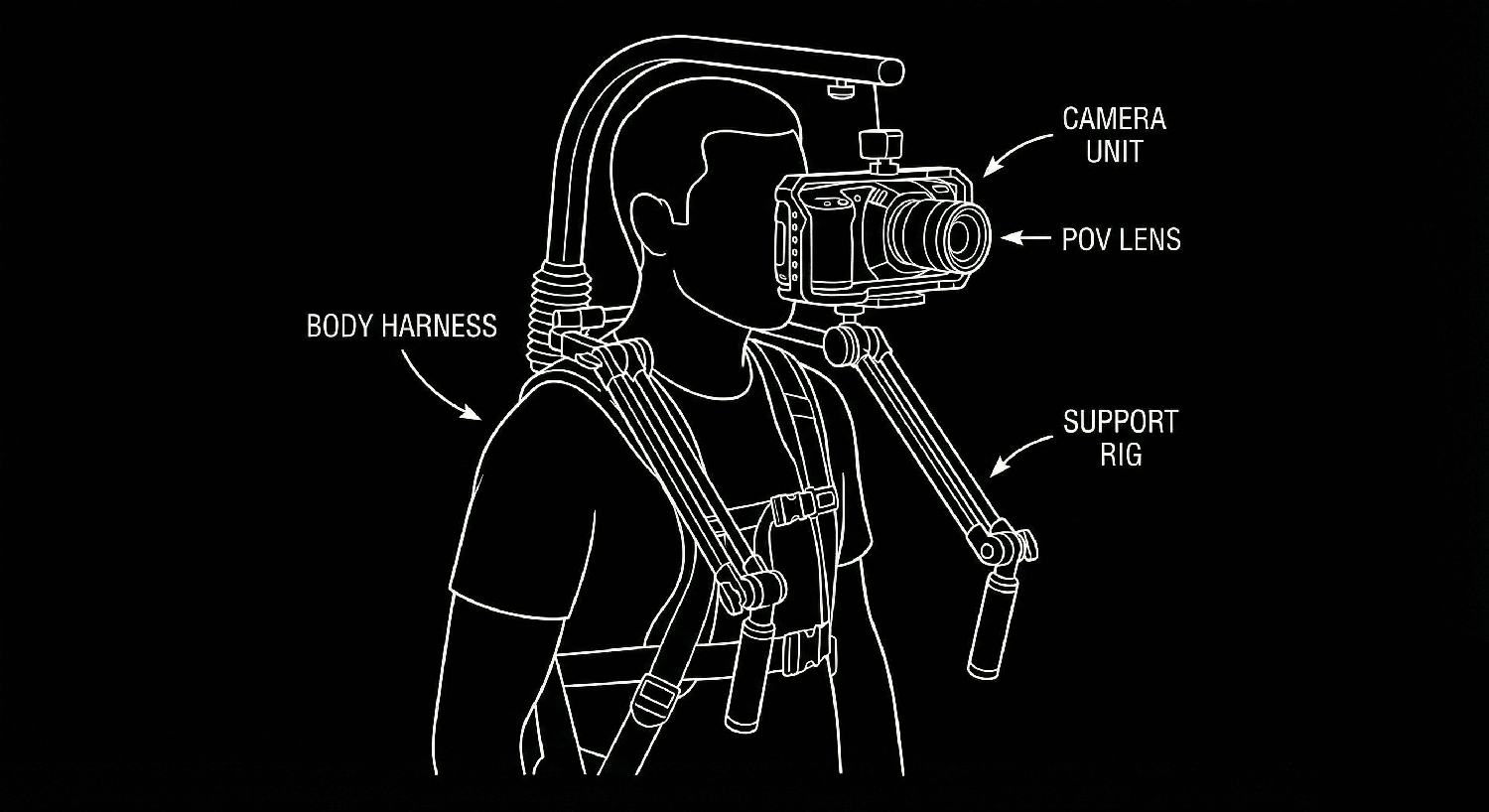
Body Mount

Body-Relative Lock

Camera is physically attached to the subject.

SNORRICAM Face static, background shakes violently.
POV (First Person) Seeing through the character's eyes. Hands/arms visible.
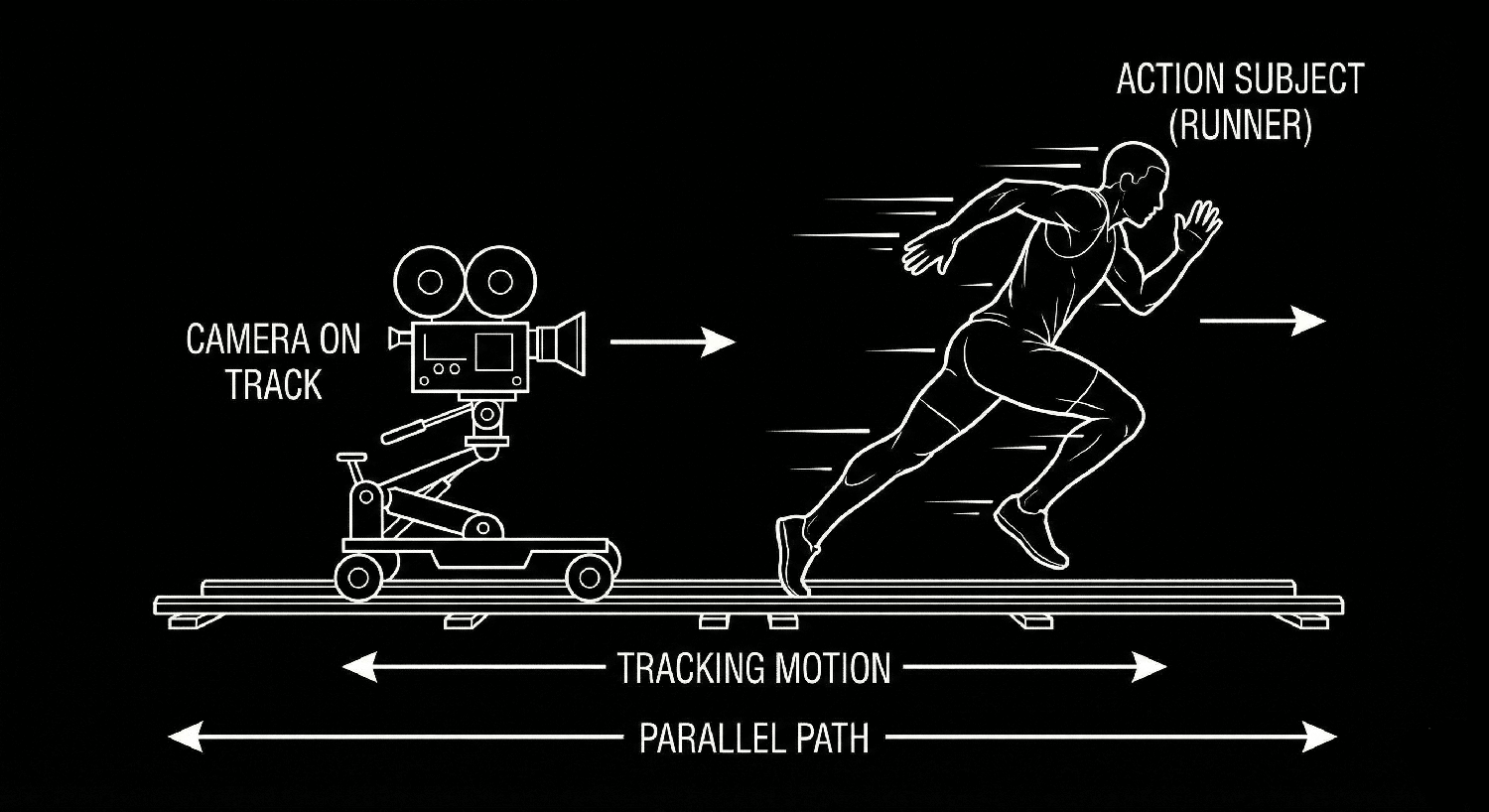
Action Track

Dynamic Action Tracking

Following bio-mechanical movement (Running, Combat).

MATCH SPEED TRACKING Camera matches runner's velocity. Speed lines.
WHIP PAN Fast rotation to follow a punch or turn.

04. Continuity Logic

Identity Anchoring

Action Track
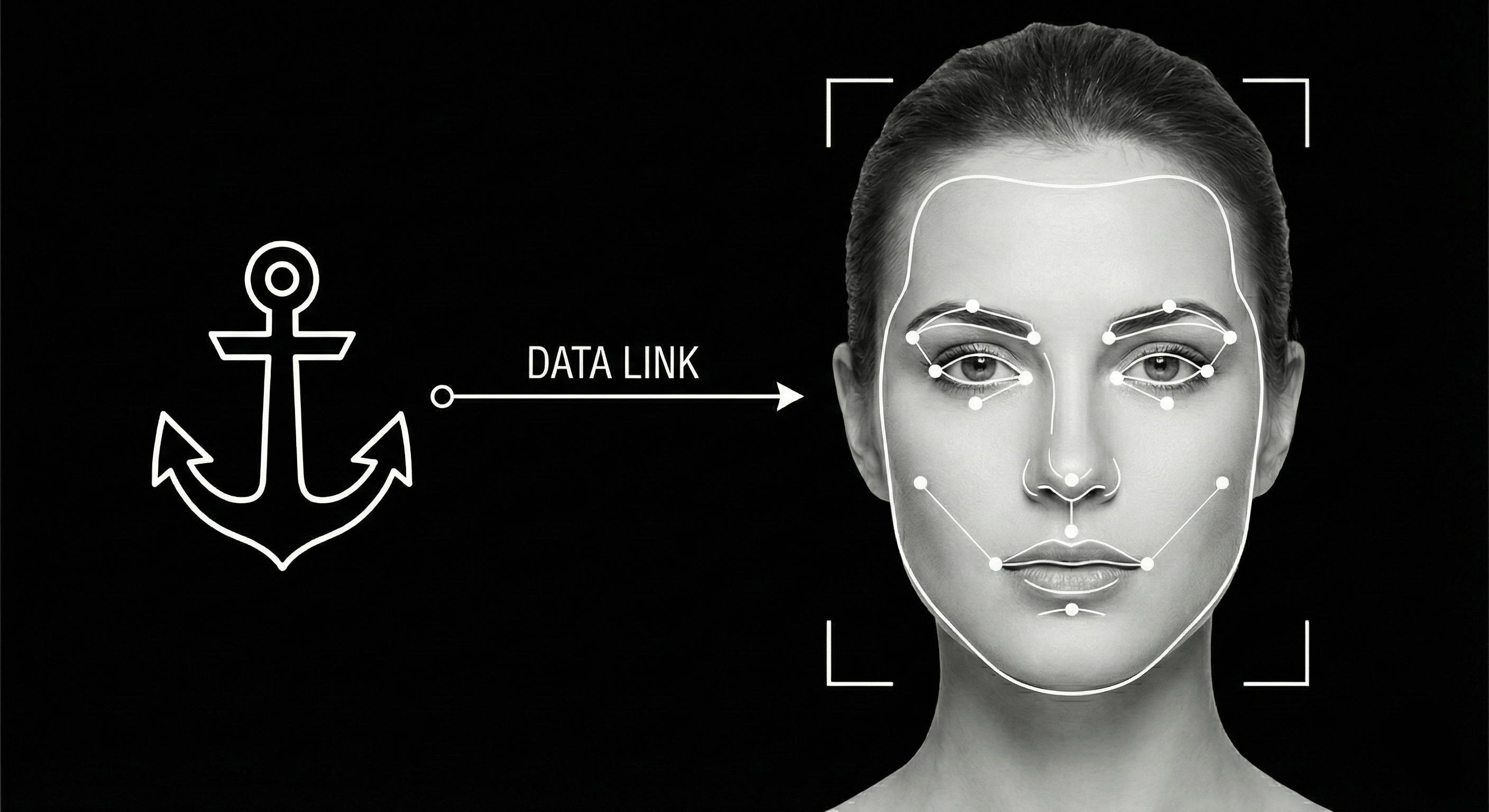
THE RULES Neutral lighting, zero distortion, clear facial structure. No filters or "vibe" words.
$ Anchor Reference: Neutral lighting, straight-on angle, factual description only

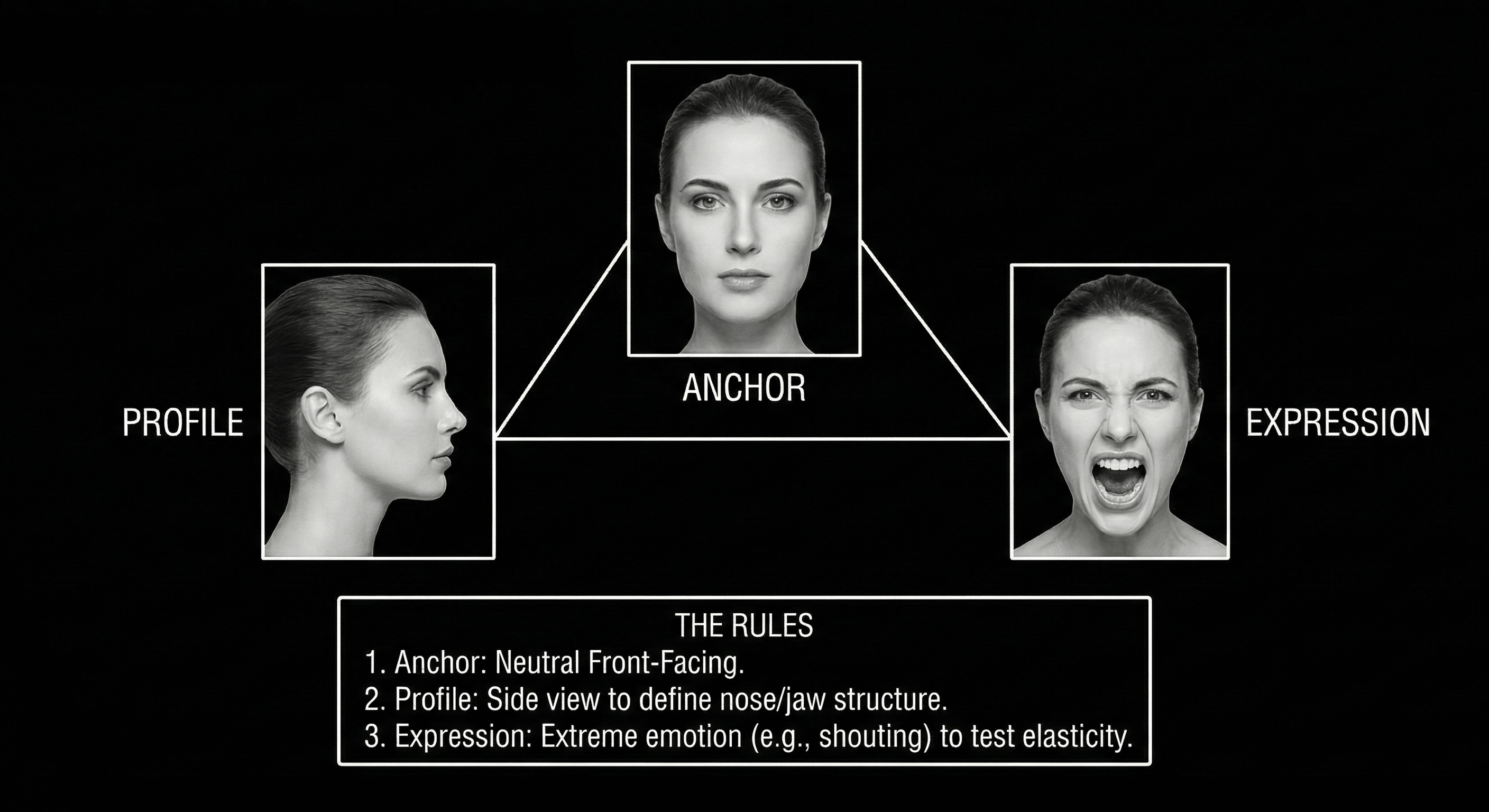
Triangulation (Identity Kit)

Action Track
  • 1. Anchor: Neutral Front-Facing.
  • 2. Profile: Side view to define nose/jaw structure.
  • 3. Expression: Extreme emotion (e.g., shouting) to test elasticity.

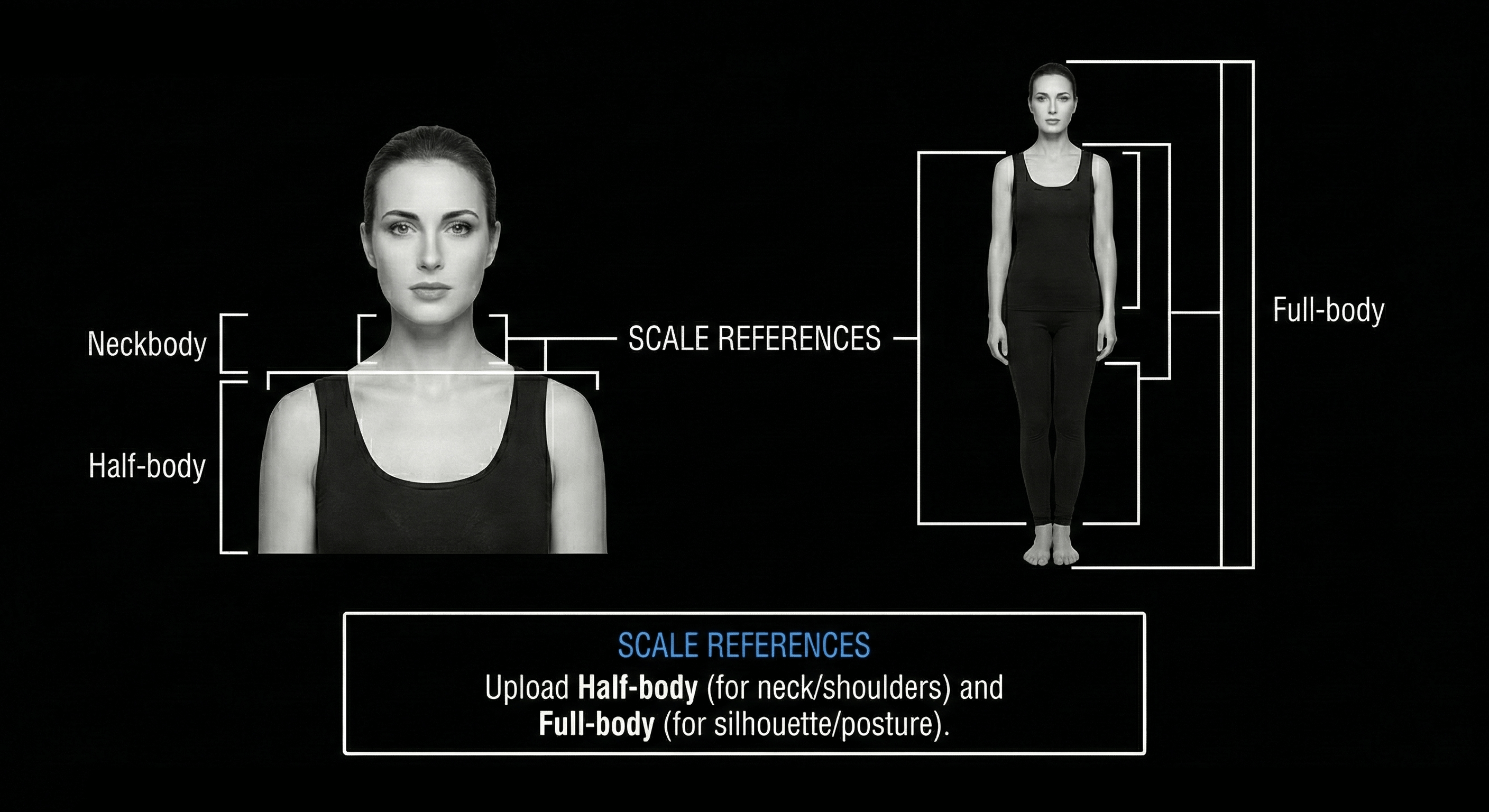
Anatomical Grounding

Action Track
SCALE REFERENCES Upload Half-body (for neck/shoulders) and Full-body (for silhouette/posture).
$ Input: Close-up (Face Geometry) + Full Body (Limb Proportions) = Stable Identity

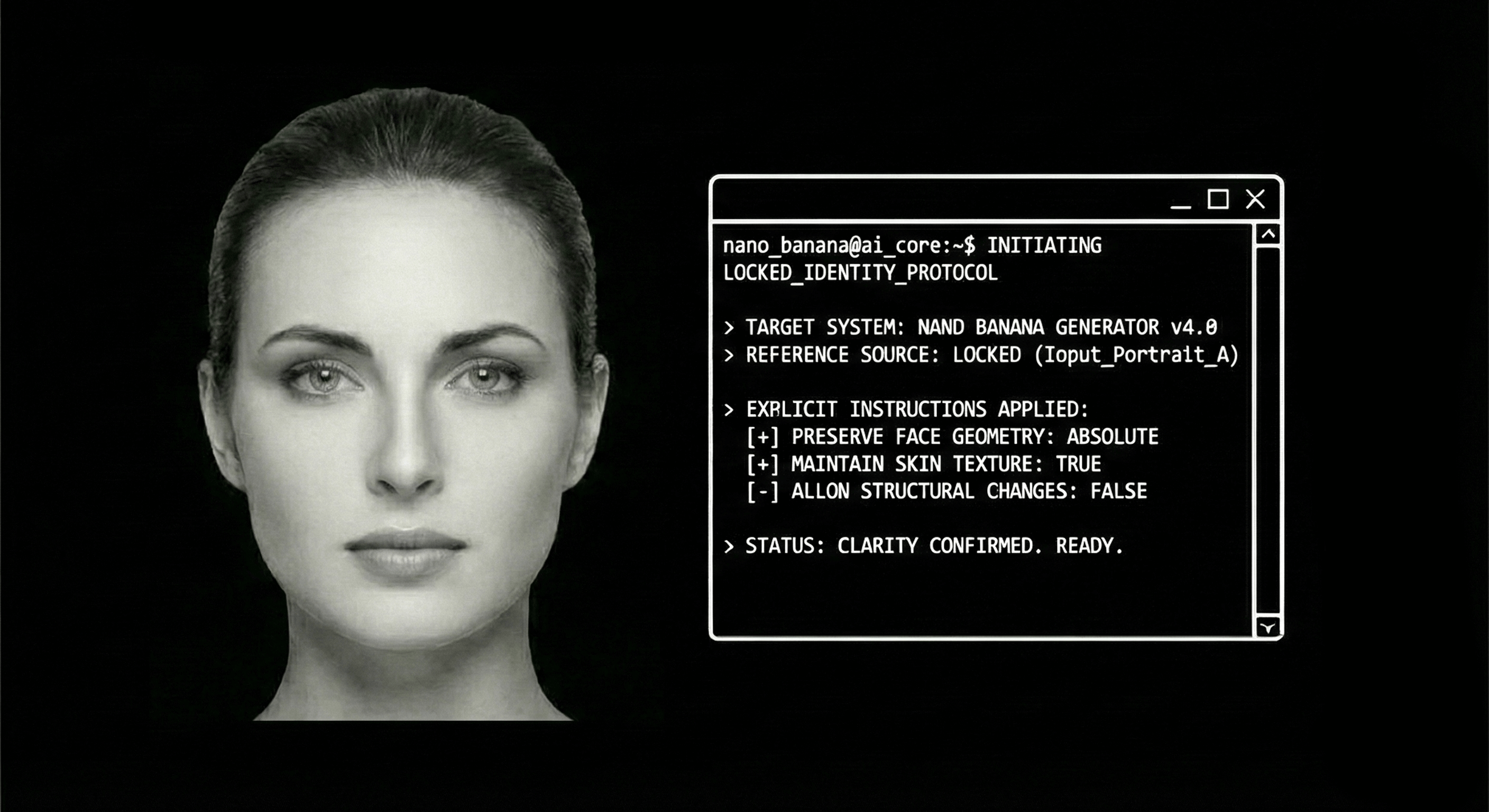
The "Fixed Identity" Command

Action Track
PROMPT LOGIC Force the model to treat the uploaded reference as absolute truth.
$ "Use this person as the identity reference. Do not alter face geometry, skin texture, or bone structure."

05. Failure Prevention

AI video models default to subject isolation unless parallel motion and intent are explicitly defined.

Physical Safeguards

  • Volume Preservation: Buildings must not flatten or warp during camera orbits.
  • Wheel Rotation: Maintain physics-based rotation during drifts.

Environmental Anchors

  • Static Backgrounds: Distant mountains must not drift.
  • Parallax Layers: Foreground blurs faster than background to maintain scale.

06. Optical Texture

Anamorphic

Wide cinematic compression, oval bokeh, horizontal flares.

Fisheye

Extreme wide-angle distortion for speed, unease, or proximity.

Telephoto / Macro

Compressed space, shallow depth of field, isolated details.

Tilt-Shift

Selective focus band. Makes cities look like miniature models.

VHS / Glitch

Analog artifacts, chromatic aberration, tracking errors.

Deep Bokeh

Creamy background blur to separate subject from chaotic environments.

07. Temporal Logic

Speed Ramping

Changing the speed of footage dynamically within a single shot.


$ Action starts in slow motion (high frame rate) then suddenly ramps to normal speed upon impact

Bullet Time (Frozen)

Camera moves through space while time is frozen for the subject.


$ Camera orbits around the frozen explosion, debris suspended in mid-air, 360 degree pan

Time-Lapse / Hyperlapse

Compressing long durations into seconds. Clouds, traffic, or decay.


$ Hyperlapse moving through busy Tokyo street at night, light trails from cars, crowds blurring

Reverse / Rewind

Reversing entropy. Shattered objects reassembling, smoke returning to source.


$ Shattered glass lifts off the floor and reassembles into a perfect vase on the table

Prompt Engineering Table

Subject Motion Type Prompt Example
Parkour Runner Figure / Action "Handheld tracking shot following parkour runner, camera shaking with footfalls"
Drift Car Tandem Vehicular "Low angle trucking shot, camera locked to lead car's rear bumper, smoke filling frame"
Skyscraper Dive Structural "FPV drone vertical dive down glass facade, reflections moving rapidly upward"
Vertigo Effect Psychological "Dolly zoom on character's face, background expands rapidly while face stays same size"
God's Eye View Scale / Map "Top-down orthographic view of busy intersection, cars look like toys, flattened perspective"
Macro Reveal Intimacy "Extreme macro of eye iris opening, rack focus to reflection in the pupil"
Time Freeze Temporal "Camera pans around frozen water splash, droplets suspended in air, diamond clarity"
Low Angle Power Dominance "Extreme low angle looking up at hero, silhouette against sun, wide lens distortion"
Snorricam Panic Disorientation "Camera rig attached to actor's chest, face locked in center, background spinning wildly"